1. Call and describe
The caller explains what happened, where the vehicle is and what it was exposed to. This shapes the plan and the gear.
Ellington, MO · Reynolds County
A biohazard in a vehicle should not sit in the heat or be handled bare-handed. In Ellington, call (877) 812-4220 to have the contamination removed and the cabin sanitized.
If anyone is in danger, call 911 first. For a suicide crisis, call or text 988.
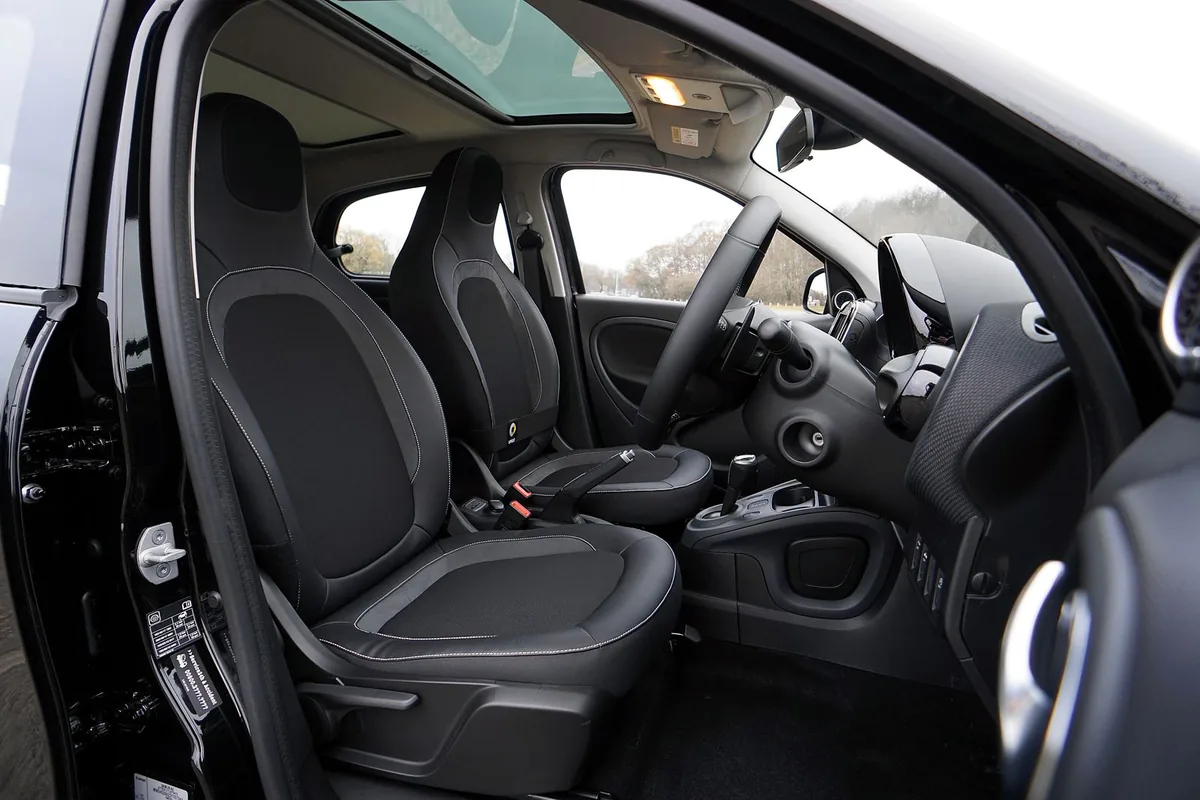
Hazmat car cleaning is the common name for decontaminating a vehicle that holds hazardous material, usually blood or body fluids. The work follows bloodborne pathogen safety rules and ends with regulated disposal.
When you need vehicle biohazard cleanup in Ellington or across Reynolds County, call Ellington Biohazard Cleanup Help. Vehicle owners, rideshare drivers, rental companies, fleet managers and businesses can all get a cleanup team.
With about 49 inches of rain a year in Ellington, damp air and leaks can feed mold in a contaminated vehicle that was left sitting. If you were exposed to blood in a vehicle, Iron County Medical Center in Pilot Knob is the closest emergency room to ask about testing and next steps.
The work often covers:
The caller explains what happened, where the vehicle is and what it was exposed to. This shapes the plan and the gear.
Cleaners set up protection, seal off the working area and keep people away from the vehicle.
Fluids, stained upholstery and contaminated debris are removed. Surfaces that can stay are cleaned and disinfected.
The crew inspects each affected area, hauls away the waste and can provide notes for insurance claims.
Most vehicle biohazard cleanup jobs in Ellington, MO cost between $500 and $5,000, based on published cost guides.
Vehicle type changes the price. A compact car, a full-size truck, a large van and a bus each have different amounts of interior to clean.
| Type of job | Typical range |
|---|---|
| Vehicle biohazard cleanup | $500 - $5,000 |
Figures are planning ranges from BioCleaners Directory, not a price for any specific Ellington property. Price drivers include type of interior materials, how serious the event was, time since the event, air system decontamination. Call (877) 812-4220 any hour.
It may, or it may not. It depends on whether an insurer, a salvage record or a title brand noted the contamination. Ask the seller, the insurer or the title office, and keep cleaning records.
Yes. Waste is lifted with protection, soaked materials are removed and surfaces are disinfected. Urine travels deep into foam, so seats may need to be taken out or replaced if the smell remains.
Ask who can release it before cleanup starts. Cleaners can usually begin once the vehicle is released to the owner or an authorized person. Ask the cleanup company about timing once the vehicle is released.
Cleaning a biohazard car starts with protection: gloves, eye protection and a mask. Contaminated upholstery and padding are removed, hard surfaces are cleaned, and an EPA-registered disinfectant is used by the label. Heavy contamination is best left to a vehicle biohazard cleanup team.
It refers to a vehicle damaged by a biohazard, such as blood or body fluids, or by a chemical spill. Both kinds of contamination call for protective gear and specialized cleaning. A cleanup team can tell which applies after seeing the vehicle.
A vehicle where a death occurred is cleaned only after law enforcement or the medical examiner releases it. The team removes contaminated materials, disinfects and treats odor, which can settle into seats, headliner and vents.
Call (877) 812-4220 and describe what is in the vehicle.
Call (877) 812-4220